Professional Tire Solutions: Get Back on the Road With Safety and Speed
Professional tire repairs play a crucial role in guaranteeing vehicle protection and performance. Skilled professionals perform in-depth inspections to pinpoint different tire problems. From flats to balance issues, every problem requires thorough consideration. Knowing when to get professional guidance can prevent additional issues. As drivers deal with these hurdles, they might consider about the optimal fix options and care routines. Examining these matters can result in sound choices and more secure travels moving forward.
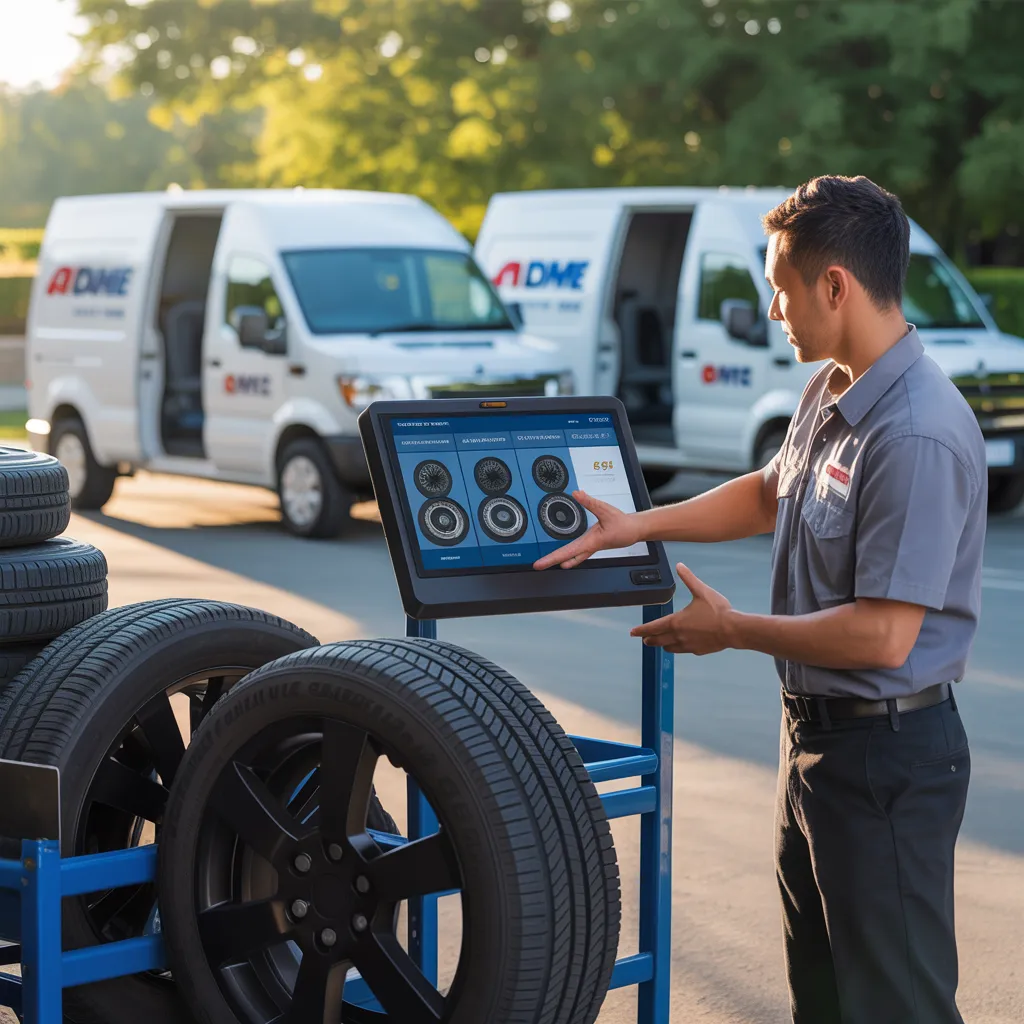
General Tire Complications to Keep in Mind
When drivers fail to check their tires, they may encounter several typical problems that can undermine safety and performance. One prevalent issue is underinflation, which can lead to increased tire wear and lower fuel efficiency. Over time, this can result in the tires to overheat, raising the risk of a blowout. Another common problem is tread wear, which impacts traction and handling, particularly in wet conditions. Uneven wear may indicate alignment or suspension issues, necessitating further inspection. Additionally, drivers may face punctures or sidewall damage from road hazards, causing slow leaks or complete tire failure. Consistent tire rotations, regular inspections, and appropriate inflation are essential for preventing these issues. Finally, environmental conditions can also contribute to tire degradation, making it important for drivers to stay vigilant about their tire health. By identifying these common problems, drivers can improve their safety on the road.
When to Identify About Getting Tire Service: A Reference?
Recognizing the signs that tire maintenance are necessary is vital for preserving vehicle security and efficiency. Drivers should be vigilant for specific signals that suggest tire issues. Irregular wear patterns on the surface, for instance, may suggest positioning problems or inadequate inflation. Additionally, visible damage, such as cuts, bulges, or punctures, often necessitates prompt attention. A abrupt decrease of air pressure or regular need for air replenishment
Drivers need to watch for handling and performance changes, such as jerks or pulling to one side, which could hint at tire imbalances or internal damage. Also, regularly checking the tread's depth is critical; tires with areas of wear compromise traction. By noticing these signs, drivers can guarantee timely repairs, improving both safety and vehicle longevity. Dealing with these issues quickly not only avoids potential accidents but also minimizes more extensive repair costs later on.
What You Should Understand About the Tire Repair Process
The tire repair process usually consists of several key actions to ensure safety and efficiency. Initially, a technician examines the tire for visible damage and evaluates its complete condition. This review assists in determining whether the tire can be repaired or requires replacement. After the inspection, the technician might take the tire from the wheel to find punctures or internal damage.
Once any issues are identified, the technician cleans the affected section and readies it for restoration. This may involve installing a patch or insert, based on the nature and position of the harm. After the repair is finished, the tire is reinstalled and correctly filled to the manufacturer's specifications.
Finally, a quality check confirms that the restoration meets safety standards. Throughout the process, repair specialists emphasize communication, notifying the customer of findings and recommendations. This systematic method guarantees a dependable restoration, allowing drivers to get back to the road with assurance.
DIY Tire Repairs vs. Professional Help
Once learning the tire restoration process, many drivers may evaluate whether to handle repairs by themselves or obtain expert support. DIY tire fixes can be attractive, particularly for those with examination basic mechanical skills and implements. Easy perforations can often be repaired using mending kits available at auto retail stores, cutting both effort and expenses. However, this method poses risks if appropriate techniques are not utilized, conceivably causing additional damage or safety hazards.
On the flip side, expert tire repair providers deliver proficiency and cutting-edge equipment. Trained professionals can properly evaluate tire deterioration, guaranteeing repairs are dependable and safe. They can also uncover concealed issues that a DIY approach might overlook. In the end, the choice between do-it-yourself repairs and expert help is based on the driver's self-assurance, background, and how serious the tire damage is. Formulating a knowledgeable decision is critical for keeping yourself safe on the road.
Steps for Choosing the Superior Tire Repair Service
What can drivers do to guarantee they choose the superior tire repair option? First, they should research local options, focusing on customer reviews and marks. This information supplies knowledge into the service quality and credibility of various shops. Next, checking for certifications and associations with prominent automotive organizations can show diligence and specialization.
Moreover, drivers should inquire the types of repairs available, ensuring the facility can resolve their distinct tire problems. Honest pricing is also necessary; trusted shops furnish clear quotes without hidden charges.
In addition, analyzing the shop's coverage options on maintenance work can present peace of mind. Finally, convenience counts—nearness to home or work, as well as available hours, can sway the selection process. By considering these factors, drivers can confidently select a tire repair service that meets their requirements successfully.
Upsides of Systematic Tire Service
Regular tire upkeep delivers numerous benefits that prolong the life span and output of tires. By routinely checking tire pressure, tread depth, and general state, vehicle owners can guarantee optimal grip and control. Correct air pressure decreases deterioration, improving fuel efficiency and reducing costs at the pump. In addition, regular inspections can help detect problems such as irregular deterioration or damage, allowing for prompt fixes that prevent more significant problems down the road.
Maintaining tires also improves safety by lowering the risk of blowouts or accidents caused by insufficient tread. Also, a well-kept set of tires results in a smoother ride, enhancing comfort for both the driver and passengers. Spending time on regular tire maintenance allows individuals to maximize the value of their investment, guaranteeing reliable performance and peace of mind while driving. Finally, maintaining tires regularly is a crucial element of being a responsible vehicle owner.
Guidance on Preventing Future Tire Problems
Being proactive in tire maintenance can greatly decrease the likelihood of future problems. Regularly checking tire pressure is vital; underinflation can cause early wear and decreased fuel efficiency. It is recommended to examine tires for apparent damage, such as cuts or bulges, which may indicate structural issues. Turning tires every 5,000 to 8,000 miles helps guarantee even wear, prolonging their lifespan.
In addition, maintaining correct alignment and balancing is vital to prevent uneven tread wear. Drivers should also review tread depth, employing the penny test as a simple method; if Lincoln's head is visible, it's time for a replacement. Finally, avoiding excessive loading of the vehicle can minimize excessive strain on tires. By applying these strategies, vehicle owners can enhance tire lifespan and promote a safer driving experience.

Frequently Inquired Questions
How long will a typical tire repair take?
A standard tire fix usually takes between 30 minutes to an hour based on the extent of the damage and the particular repair needed. Elements like technician accessibility and shop workload can also influence the time frame.
Can All Wheel Types Be Repaired?
Not all tire types can be repaired. Generally, tread area punctures of passenger tires may be repairable, while damage to the sidewall, severe wear, or tires with multiple repairs often necessitate replacement to guarantee safety.
What Sum Should You Anticipate to Spend for Tire Fixes?
The charge for tire restoration commonly ranges from $10 to $30, influenced by the extent of harm and placement. Important factors like tire type and your chosen provider can influence the ultimate bill, creating fluctuation.
Is Tire Repair Covered in Insurance Coverage?
Repair coverage for tires varies based on your insurance plan. Some plans provide emergency roadside support or repair expenses, though others do not this protection. It's vital for people to review their particular policy details to determine what coverage exists for tire maintenance.
What Methods Can Allow Me to Extend My Tire's Longevity?
To extend a tire's service life, regular maintenance is vital. This involves keeping tire pressure at correct levels, performing regular tire rotations, ensuring proper alignment, avoiding overloading, and inspecting tread depth for evidence of wear and tear.